
FREEZELINK BLOG
AGRIC & PHARMACEUTICAL COLD CHAIN INSTITUTE
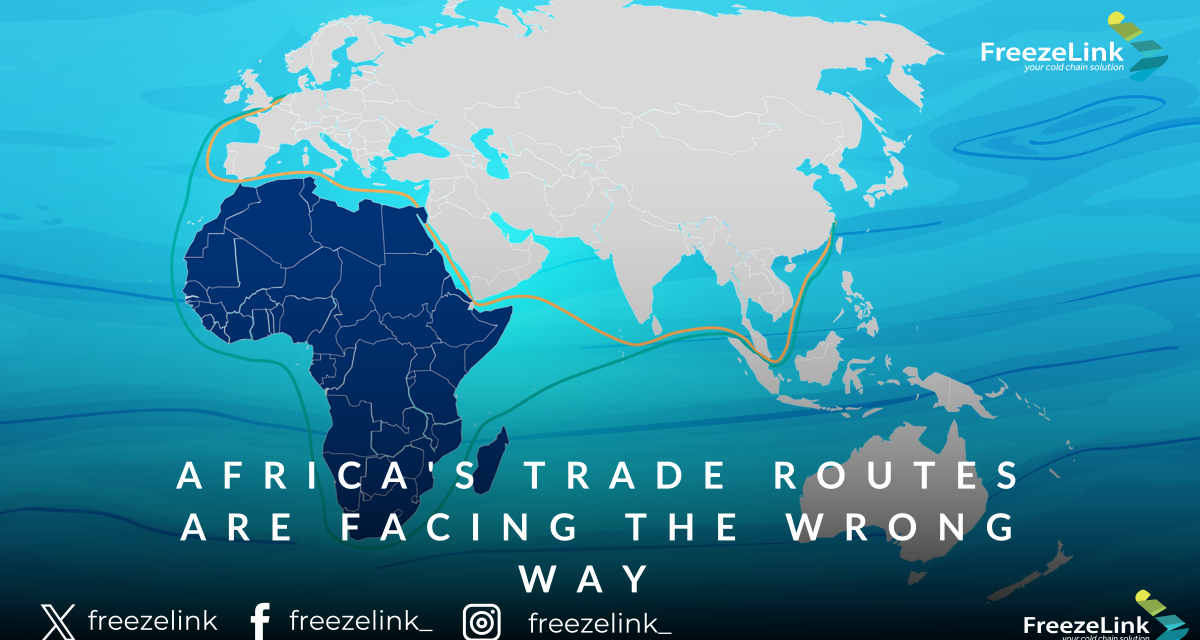
Africa’s Trade Routes Are Facing the Wrong Way
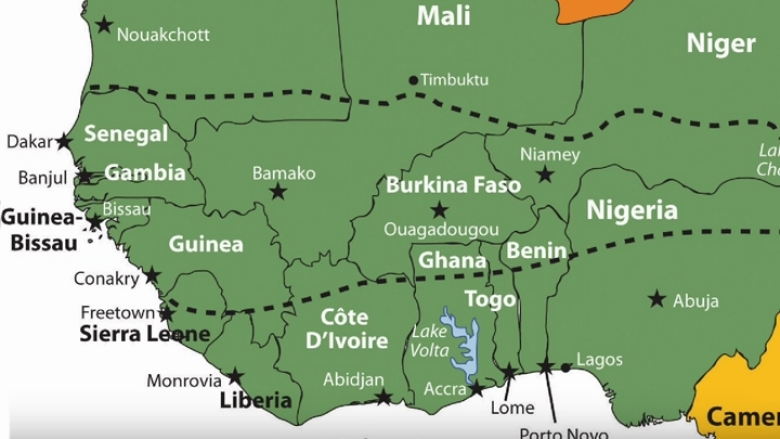
ACCRA – Consider two trucks leaving northern Ghana today. The first is loaded with yams. It heads south to the Port of Tema, where its hardy, low-margin cargo will be shipped to Europe, following a trade route carved out a century ago. The second truck is loaded with freshly harvested, high-value chilli peppers. Its destination is Lagos, a major regional market. Yet, for the farmer who grew them, that market may as well be on the moon. The second truck will likely never leave the farm.
This tale of two corridors exposes a frustrating paradox at the heart of modern Africa. On one hand, there is the African Continental Free Trade Area (AfCFTA), a monumental achievement in economic diplomacy. Fully implemented, it creates a single market of over 1.3 billion people—a population larger than that of the United States and the European Union combined. It promises to unleash a combined GDP of $3.4 trillion, an economic bloc that would rival the output of Germany. The goal is to finally boost intra-African trade and create continental prosperity.
On the other hand, there is the grim reality of a broken supply chain. For the continent’s vast agricultural sector, the AfCFTA’s tariff reductions are meaningless without the physical infrastructure to actually move perishable goods across borders. The lack of a functional cold chain now acts as a far more punitive non-tariff barrier than any import duty, keeping the treaty’s brilliant promise a fantasy.
The Data: Quantifying the “Cold Chain Tariff”
The gap between the AfCFTA’s ambition and the on-the-ground reality is stark. For high-value perishable goods, the primary barrier to trade is no longer a customs official, but simple heat and time.
The cost of this infrastructure gap can be thought of as a crippling “spoilage tax.
” For a farmer in Kenyasi, Ghana, growing chilli peppers for a potential buyer in Nigeria, it is common for half the harvest to spoil before it can ever reach a port, let alone cross a border. This is, in effect, a 50% non-tariff barrier—a cost that makes consistent, large-scale regional trade commercially impossible and is far more damaging than any tariff.
The opportunity cost is immense and must be viewed in the context of a far larger national strategy. The Ghana government’s National Export Development Strategy (NEDS) aims for $25.3 billion in
non-traditional exports by 2029.
An Echo of History: Why Our Infrastructure Faces the Wrong Way
The root of the problem is historical. Much of Africa’s legacy infrastructure—its roads, railways, and
ports—was designed with a singular purpose: a north-south axis to move raw materials from the interior to the sea for export. Efficient east-west corridors, the very arteries needed for intra-African commerce, were never the priority. It remains, absurdly, often easier to ship a container from Tema to Rotterdam than from Tema to Cotonou.
To build a regional cold chain is therefore not merely an upgrade; it is a fundamental re-orientation of African logistics. It is about building new, modern pathways that create wealth within Africa first.
The Solution: A “Bankable” Spine for African Trade
The required cold chain infrastructure is a high-return, strategic asset class waiting for investment. Unlike many public works, cold chain projects are eminently bankable. They are asset-backed (the physical warehouses and truck fleets) and can generate predictable, recurring cash flows from service fees paid by a diverse customer base—from smallholder farmers to pharmaceutical distributors.
This infrastructure creates a “common language” of quality and reliability. When a buyer in Lagos knows that produce from Ghana has been kept in an unbroken cold chain, it removes uncertainty and creates the trust necessary for trade to flourish. It allows thousands of producers to finally access the vast, integrated market the AfCFTA promises.
From Treaty to Trucks
The visionary work of the diplomats who drafted the AfCFTA is largely complete. Now, the crucial next phase of work—for engineers, financiers, and logistics experts—must begin. The AfCFTA was signed with a pen, but it will only be delivered by a refrigerated warehouse and truck.
.
GET IN TOUCH